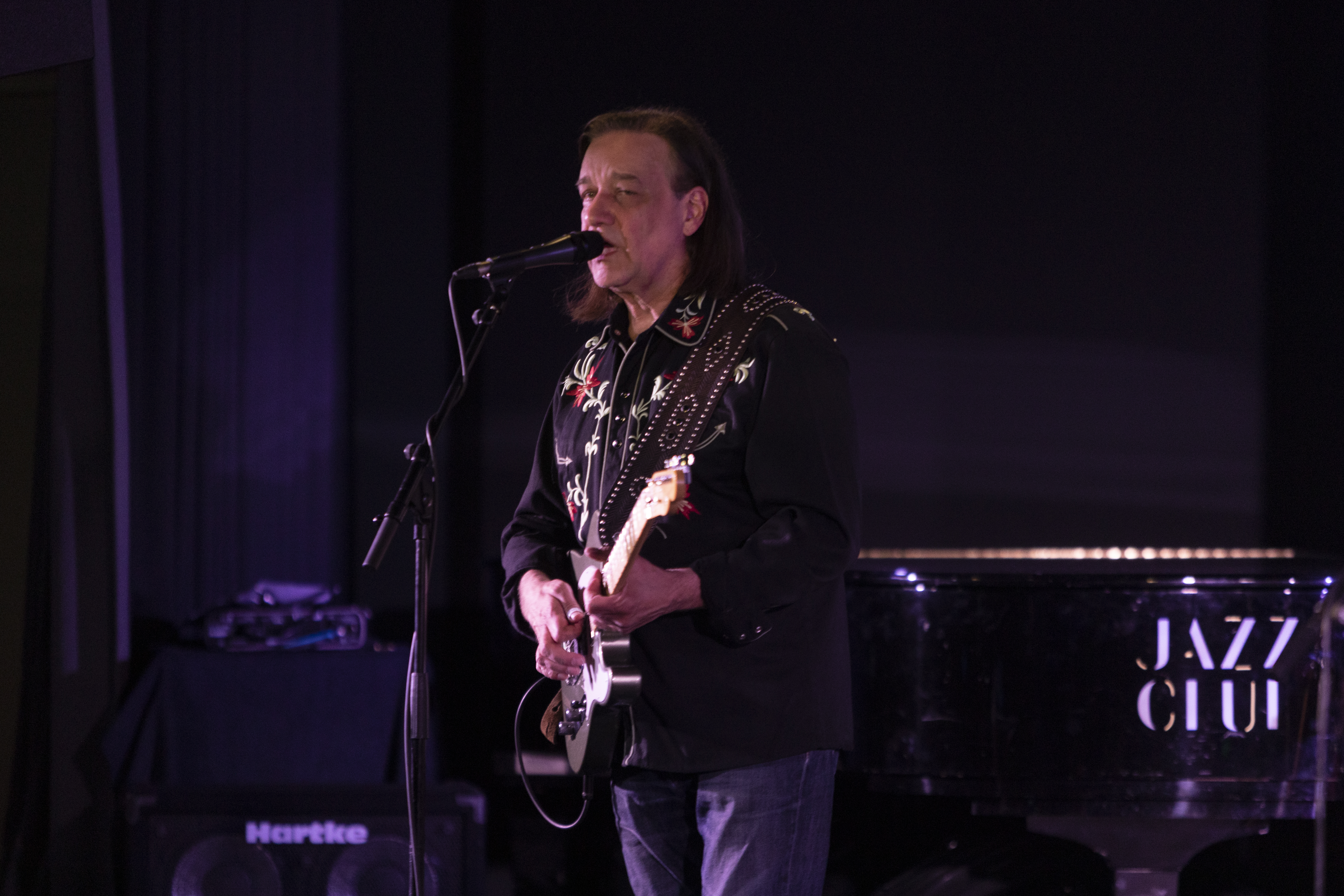
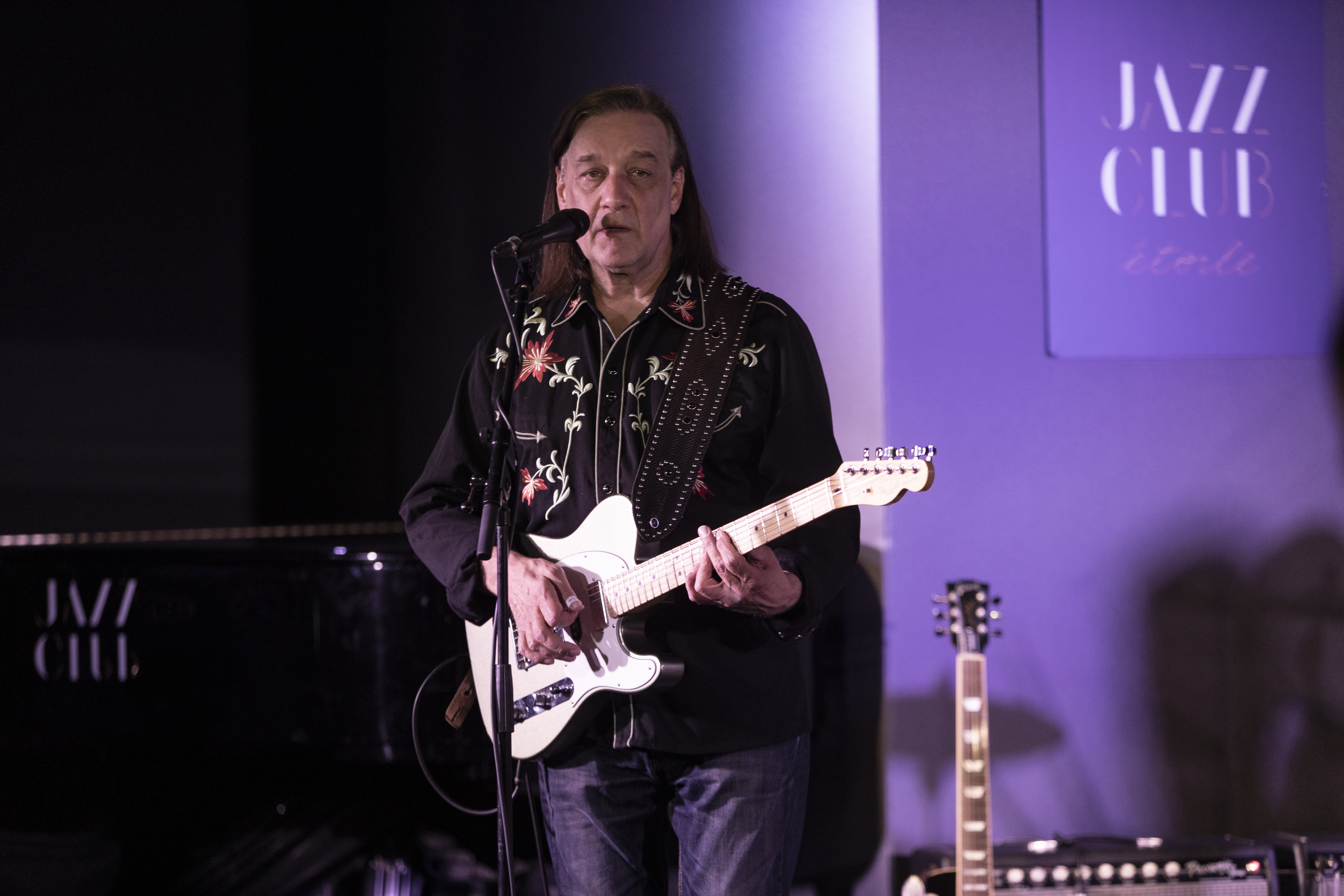
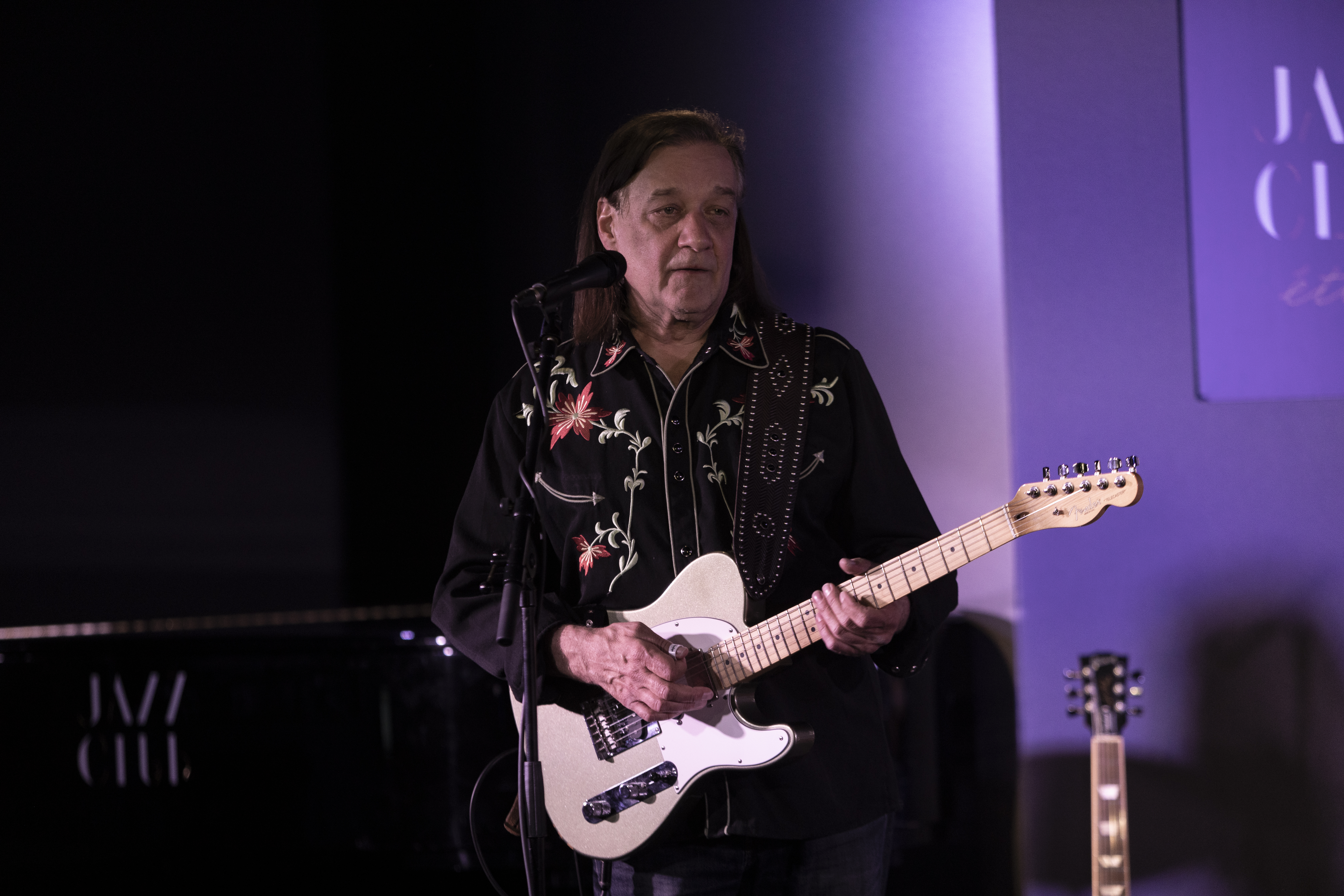
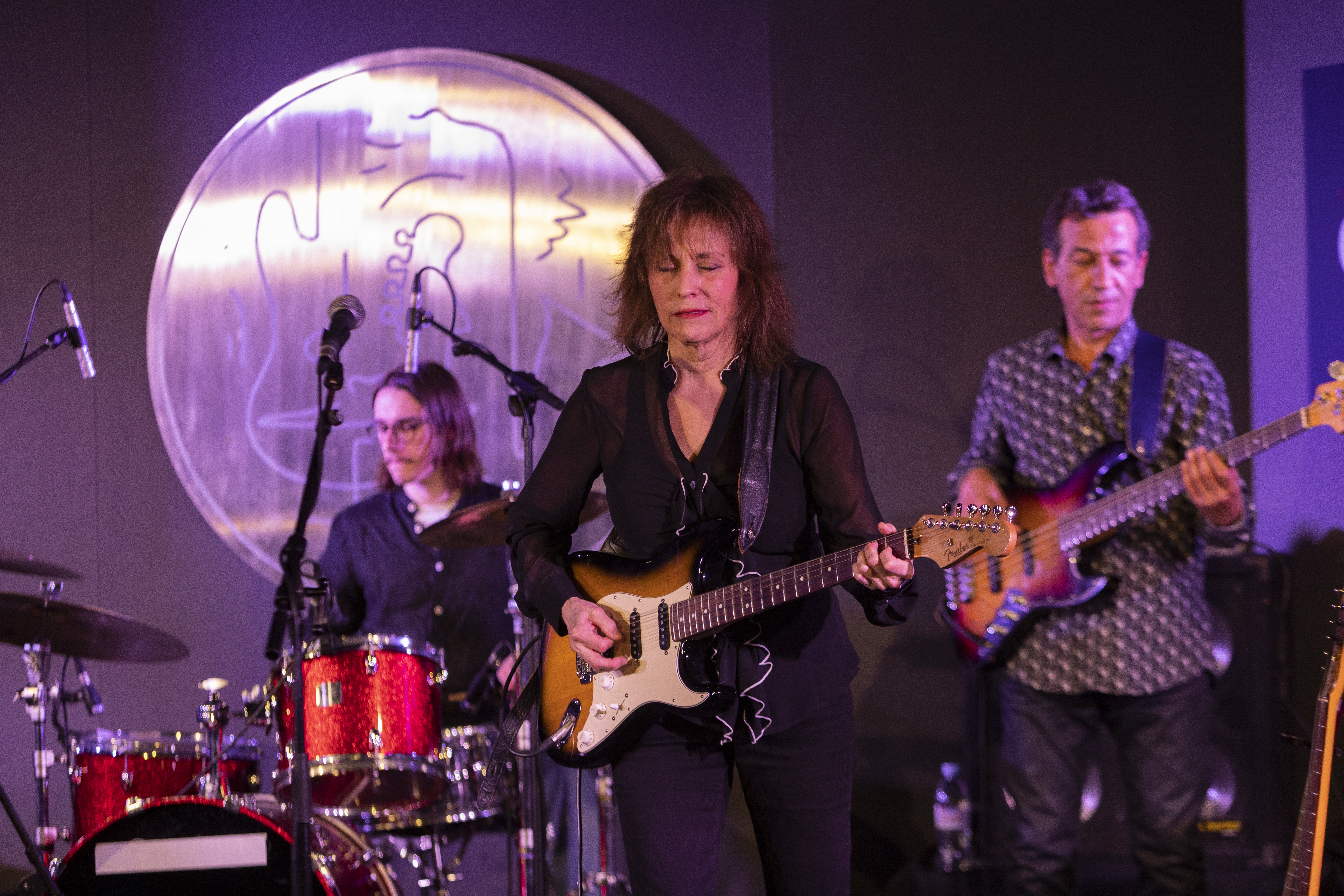
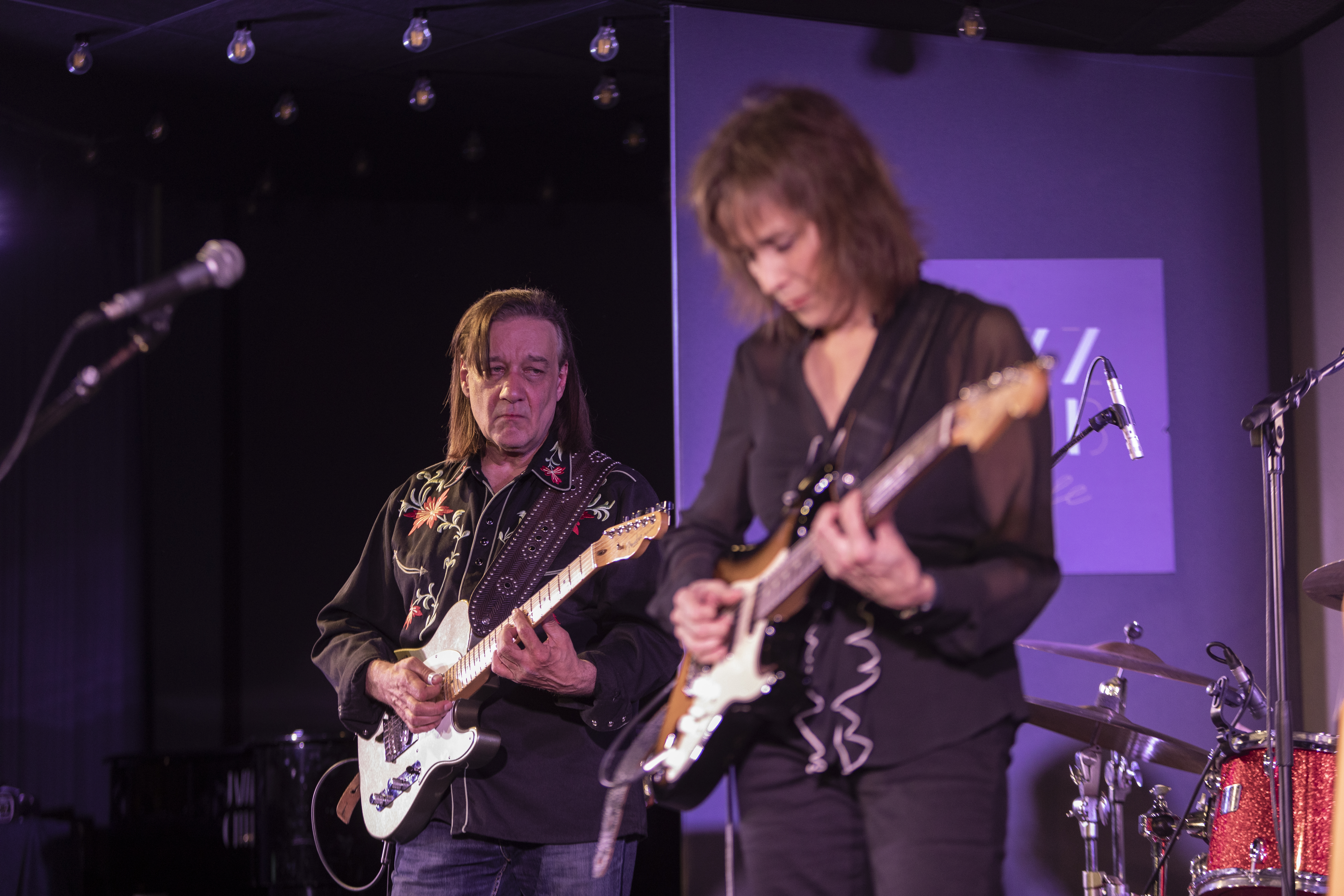
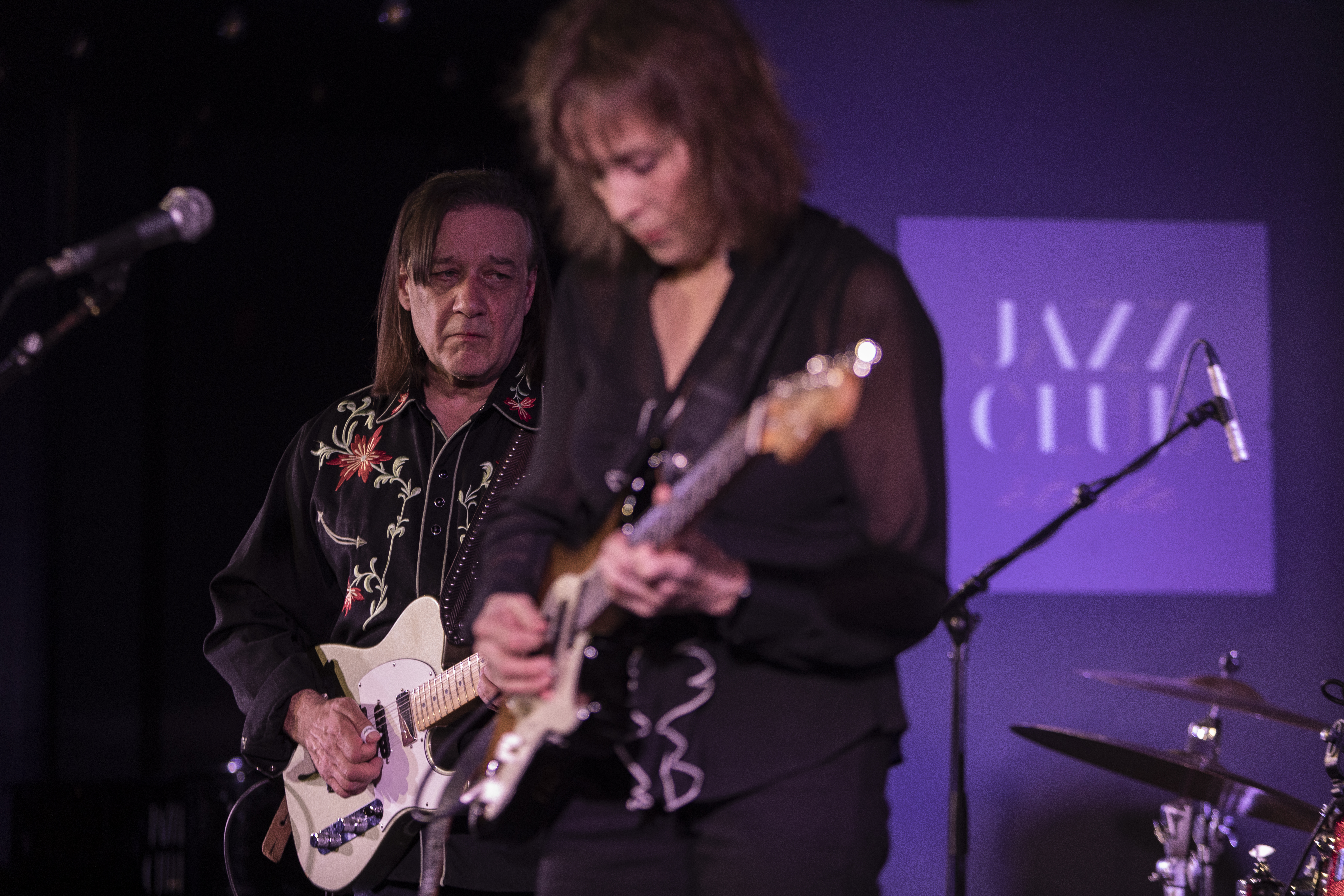
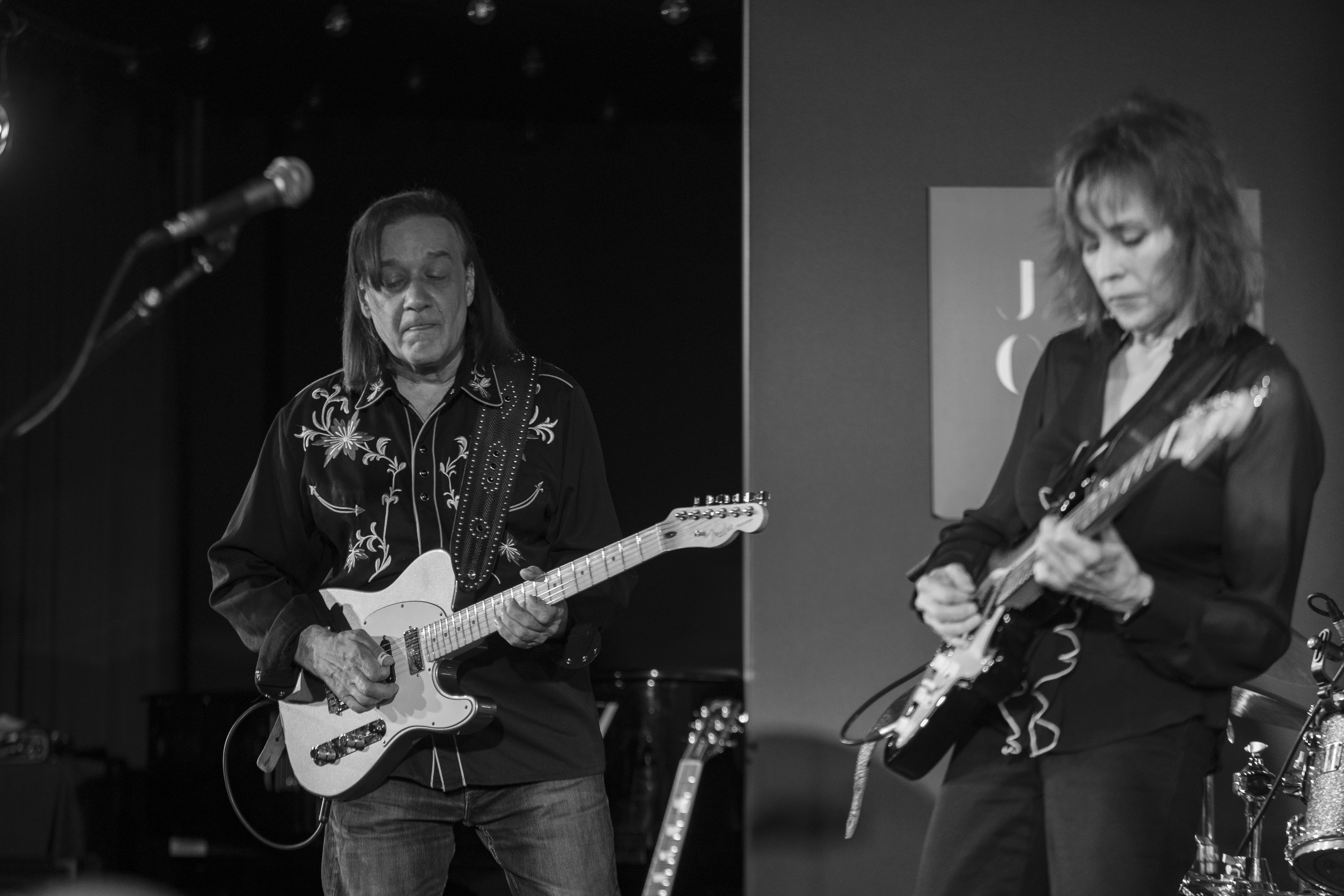
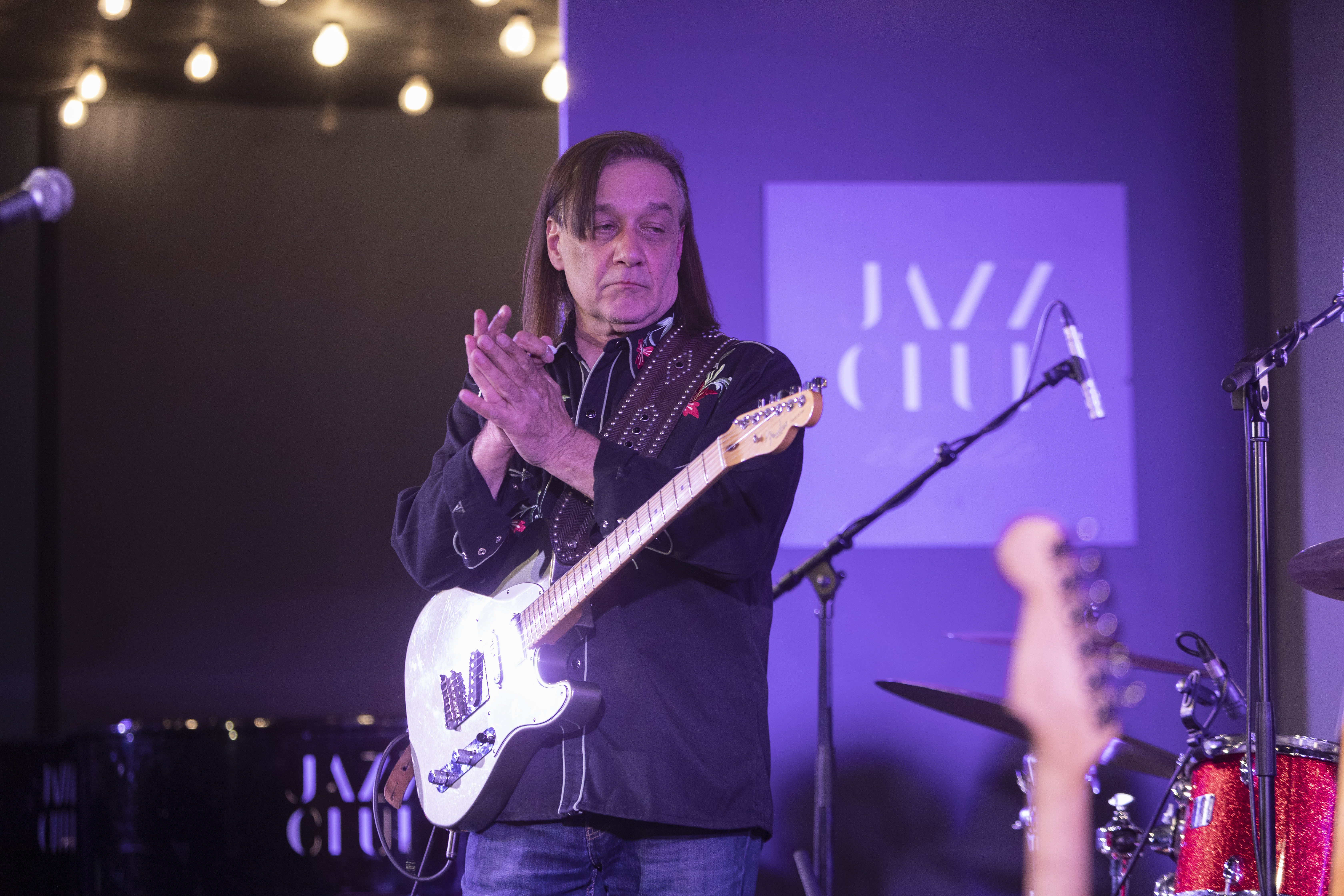
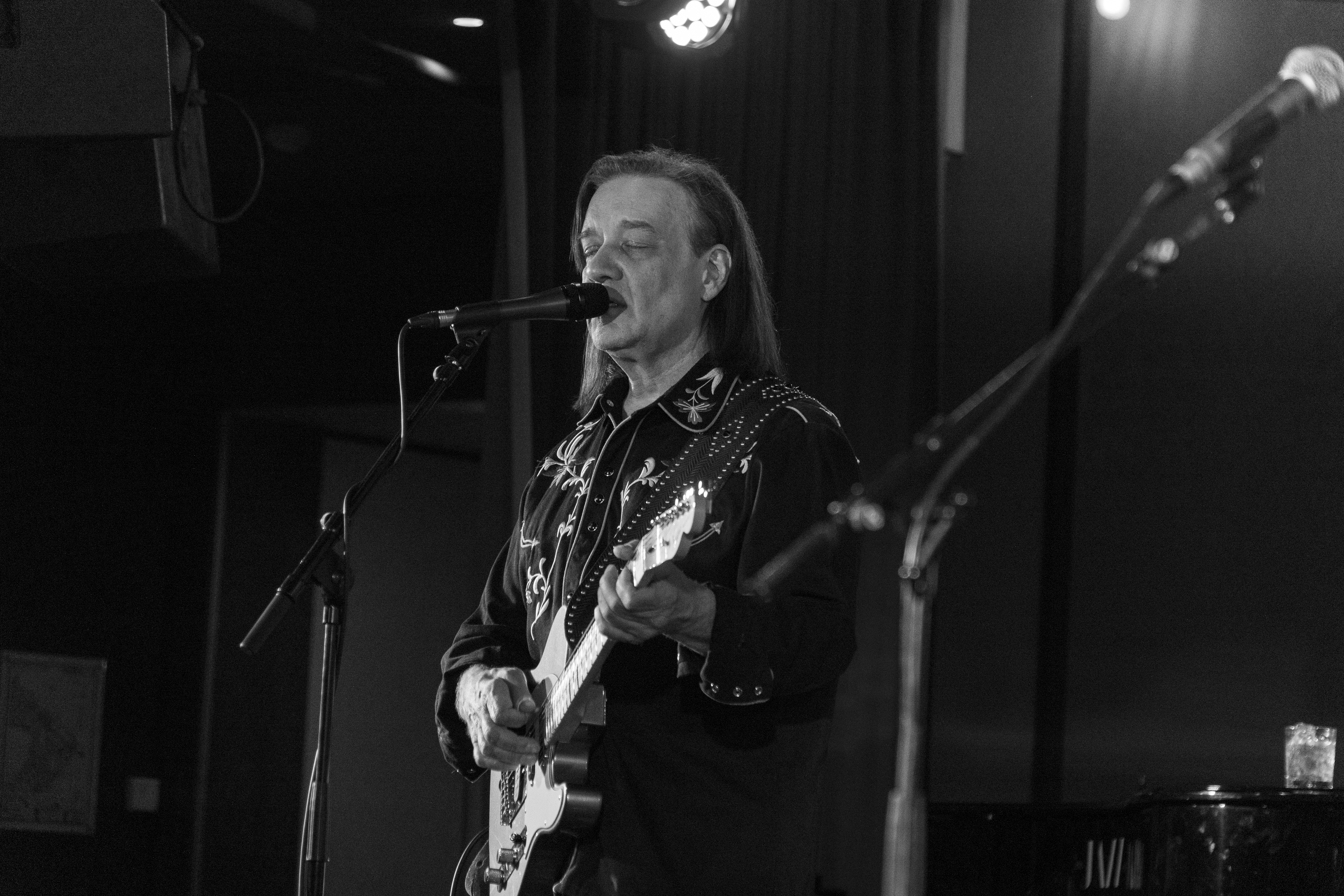
Neal Black & The Healers returned to Paris for their first local appearance since the pandemic, taking over the Jazz Club Étoile with the assistance of special guests Janet Martin and Amar Sundy. French blues guitarist Fred Chapellier had also been scheduled to appear but was forced to withdraw due to health issues.
The setting could hardly have been further removed from the environments that shaped Neal Black's music. Nestled inside the elegant Le Méridien hotel, the former Lionel Hampton Jazz Club caters to a clientele more accustomed to refinement than rowdiness. One imagines that a musician who cut his teeth in Texas roadhouses and New York dive bars might have found the atmosphere a little too polite. If so, he did not let it show.
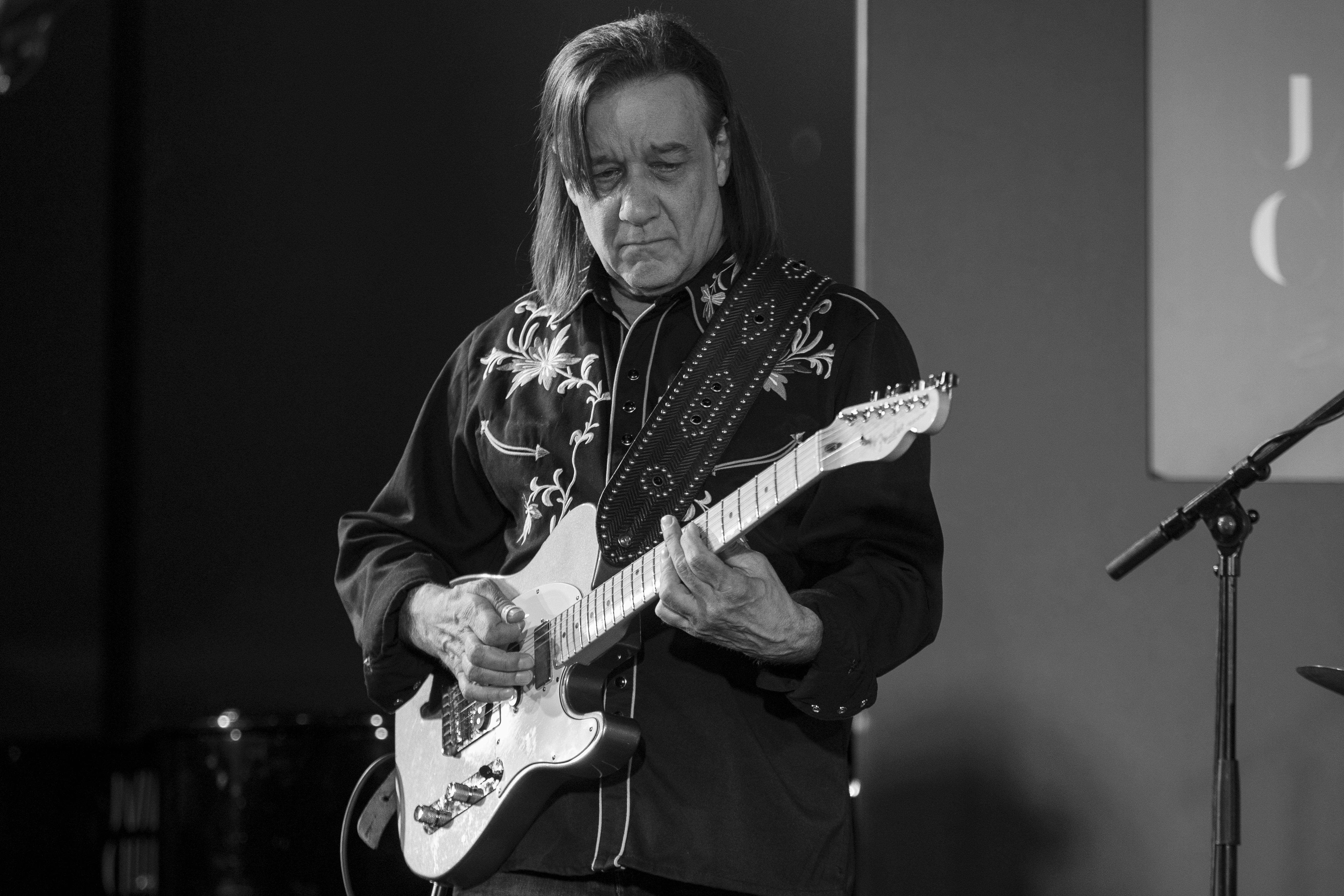
Across two energetic sets, Black demonstrated why he remains one of the most underrated guitarists on the blues circuit. His playing was fluid, precise and endlessly inventive, capable of moving effortlessly between blues, jazz, country and rock influences without ever losing sight of the groove. Technical ability was abundant, but it was always deployed in service of the songs rather than as an end in itself. Around him, The Healers provided exemplary support. Drummer Nate Gossens and bassist Abder Benachour laid down a sturdy rhythmic foundation, while keyboardist Mike Lattrell added colour and fire, delivering a succession of spirited solos throughout the evening.
The repertoire balanced originals such as "Jail in San Antone" and "Handful of Rain" with carefully chosen covers. Bo Diddley's "Who Do You Love" received a suitably muscular treatment, while Robert Johnson's "If I Had Possession Over Judgment Day" brought a darker, more haunting mood. One instrumental highlight found Black stretching out at length, navigating a dizzying series of ideas that showcased both his technical command and his deep understanding of American roots music.
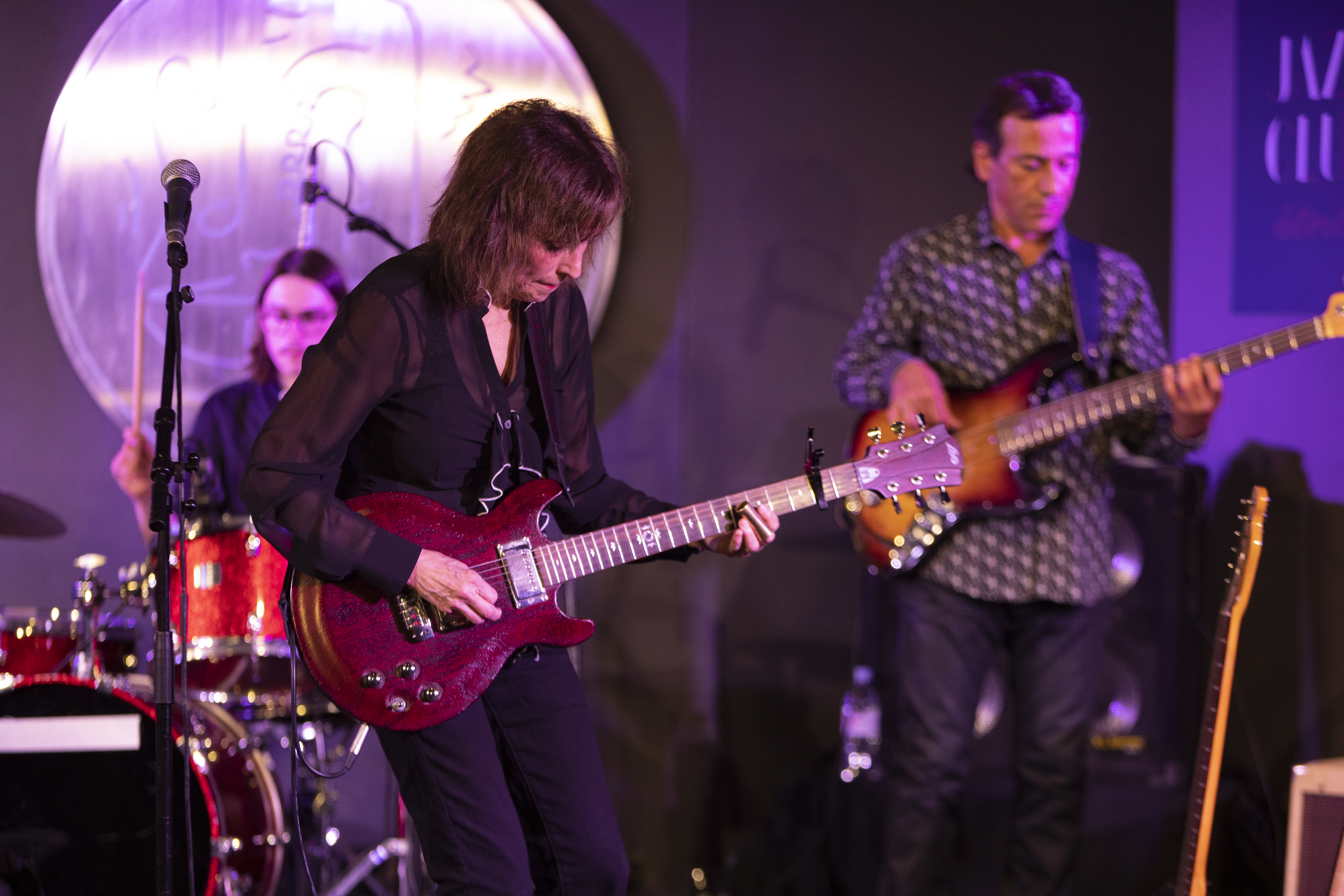
The guest appearances elevated the evening even further. Janet Martin contributed soulful vocals and expressive slide guitar, while Sahrawi guitarist Amar Sundy added another distinctive voice to the proceedings. The exchanges between Sundy and Black were among the night's most memorable moments, two seasoned musicians conversing fluently through their instruments.
The guest appearances elevated the evening even further. Janet Martin contributed soulful vocals and expressive slide guitar, while Sahrawi guitarist Amar Sundy added another distinctive voice to the proceedings. The exchanges between Sundy and Black were among the night's most memorable moments, two seasoned musicians conversing fluently through their instruments.
The concert closed with a heartfelt rendition of Blind Faith's "Can't Find My Way Home" before shifting gears for a rollicking take on Hank Williams' "Move It On Over." By that point, even the Jazz Club Étoile's normally restrained clientele had abandoned any pretence of decorum, rising from their seats to dance as best they could.
That reaction felt entirely appropriate. This was not the kind of blues that wallows in misery or invites self-pity. Neal Black's music draws on the hardships and heartaches that have always nourished the genre, but transforms them into something celebratory. A blues that moves. A blues that uplifts. A blues that heals.