

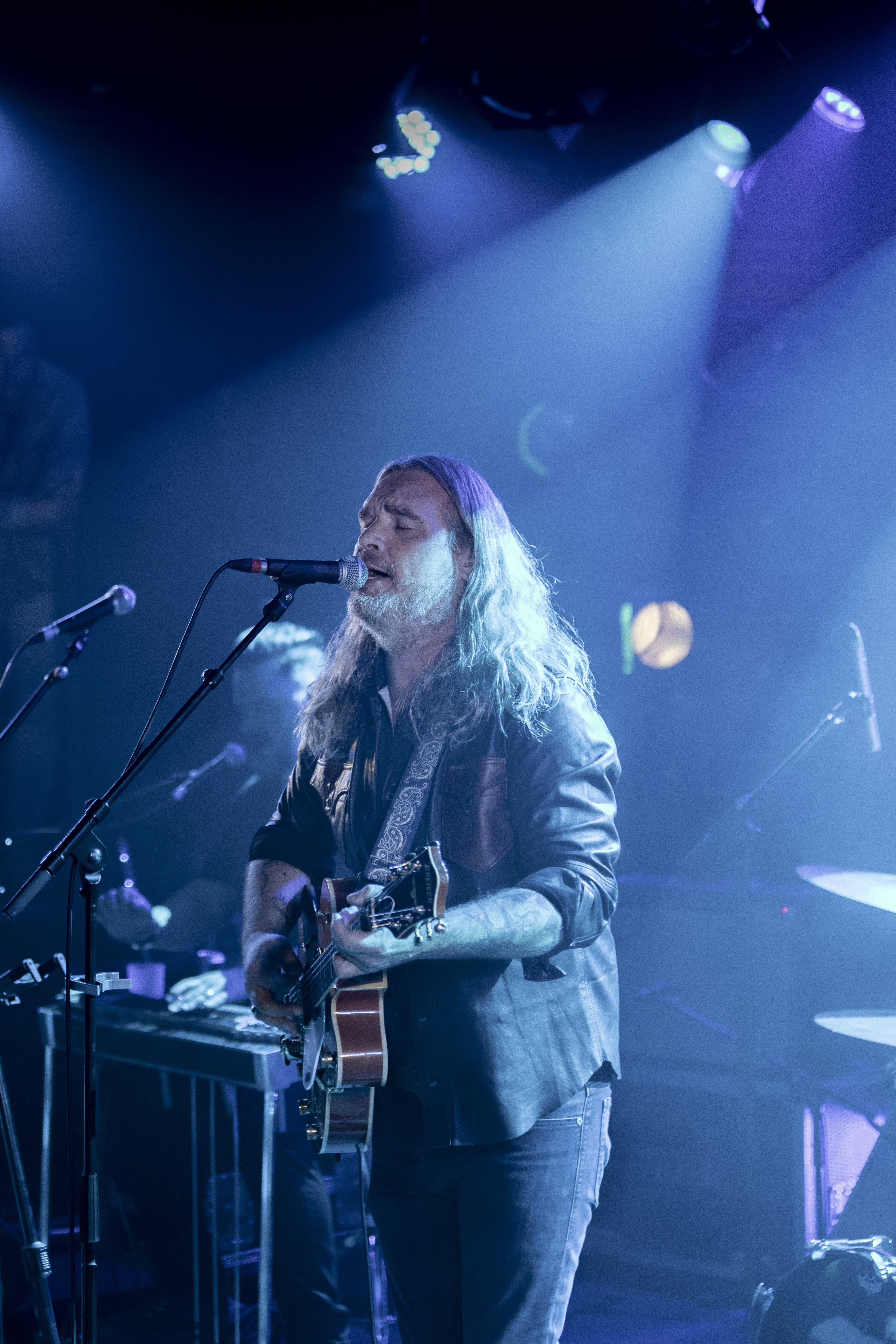
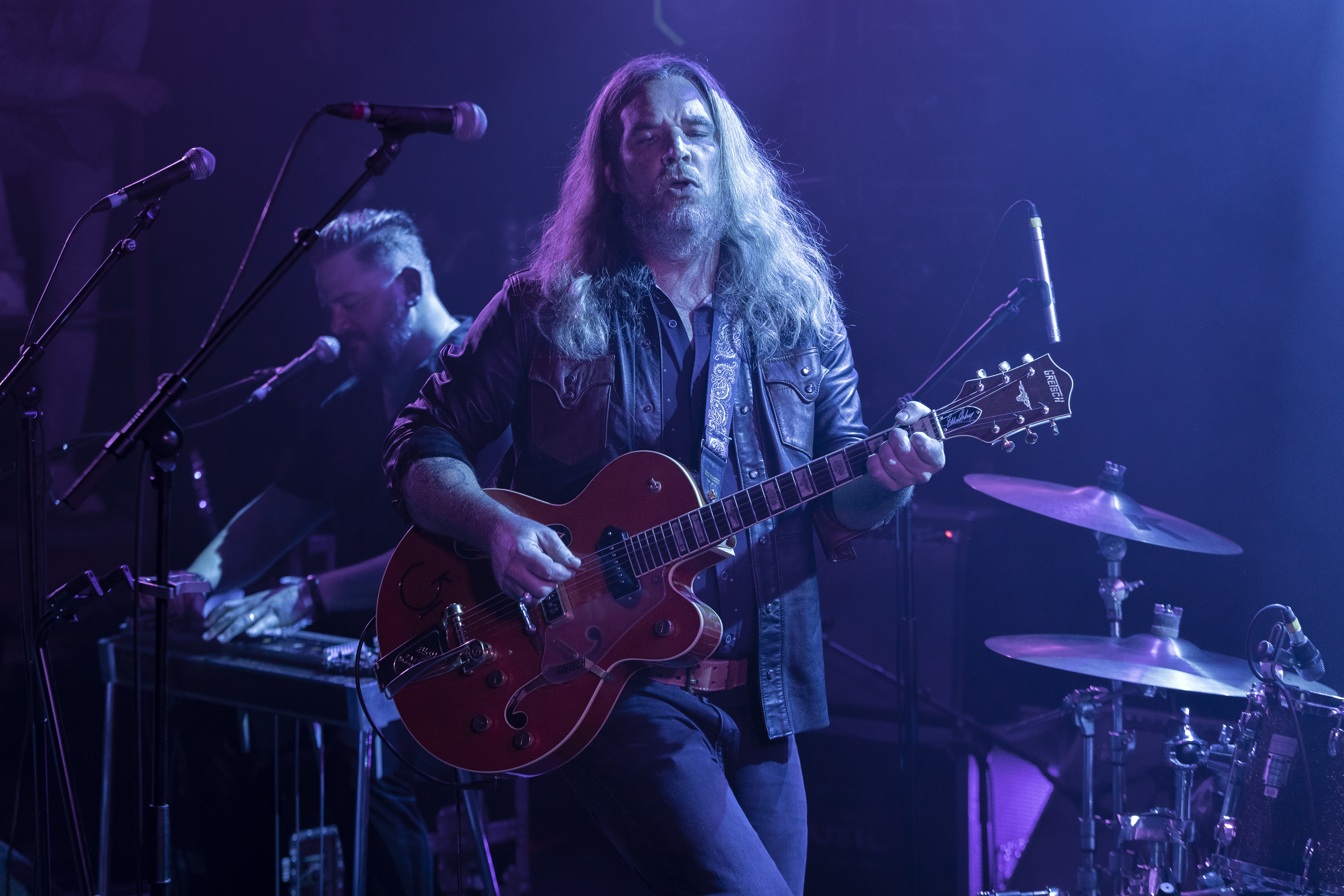
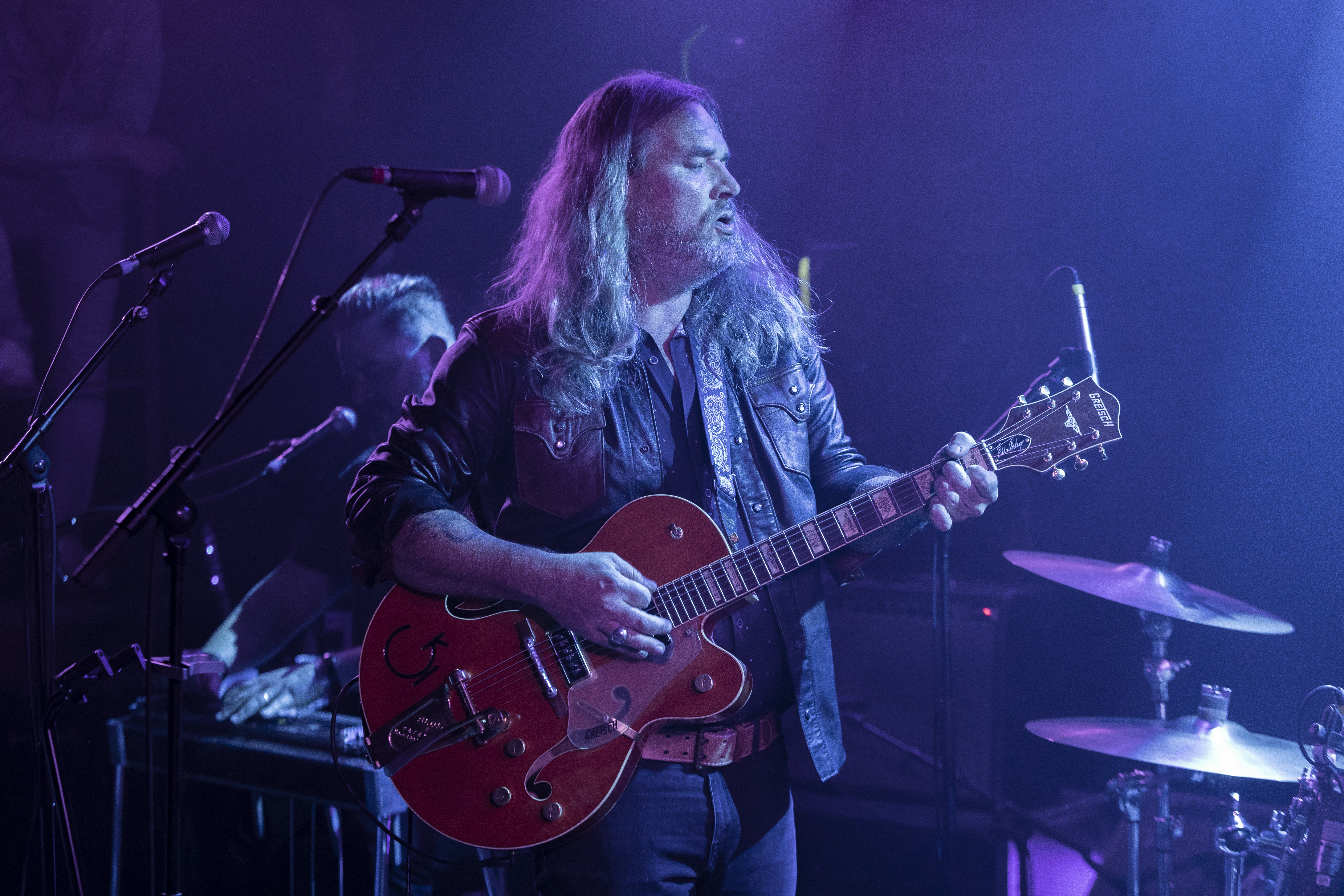
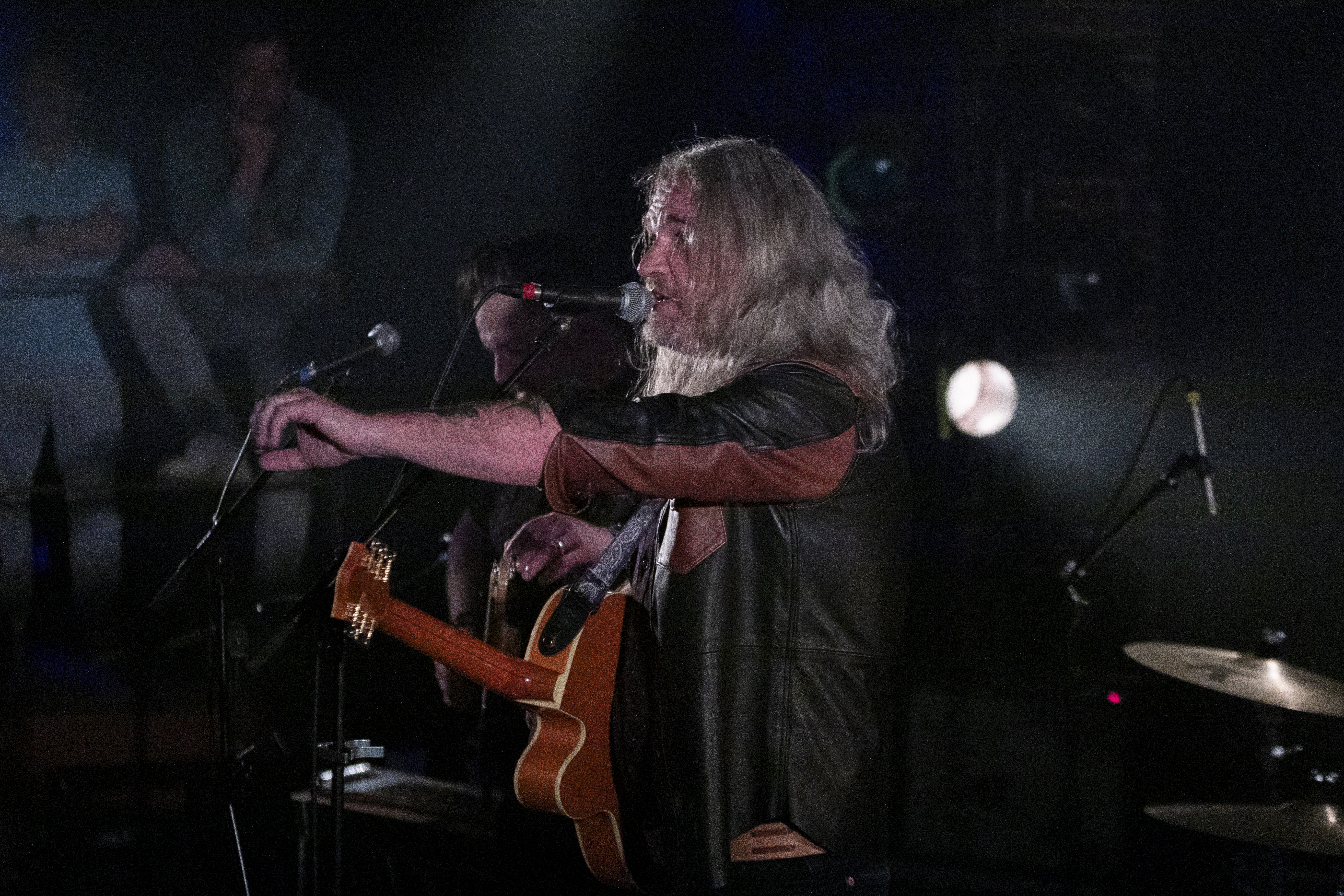
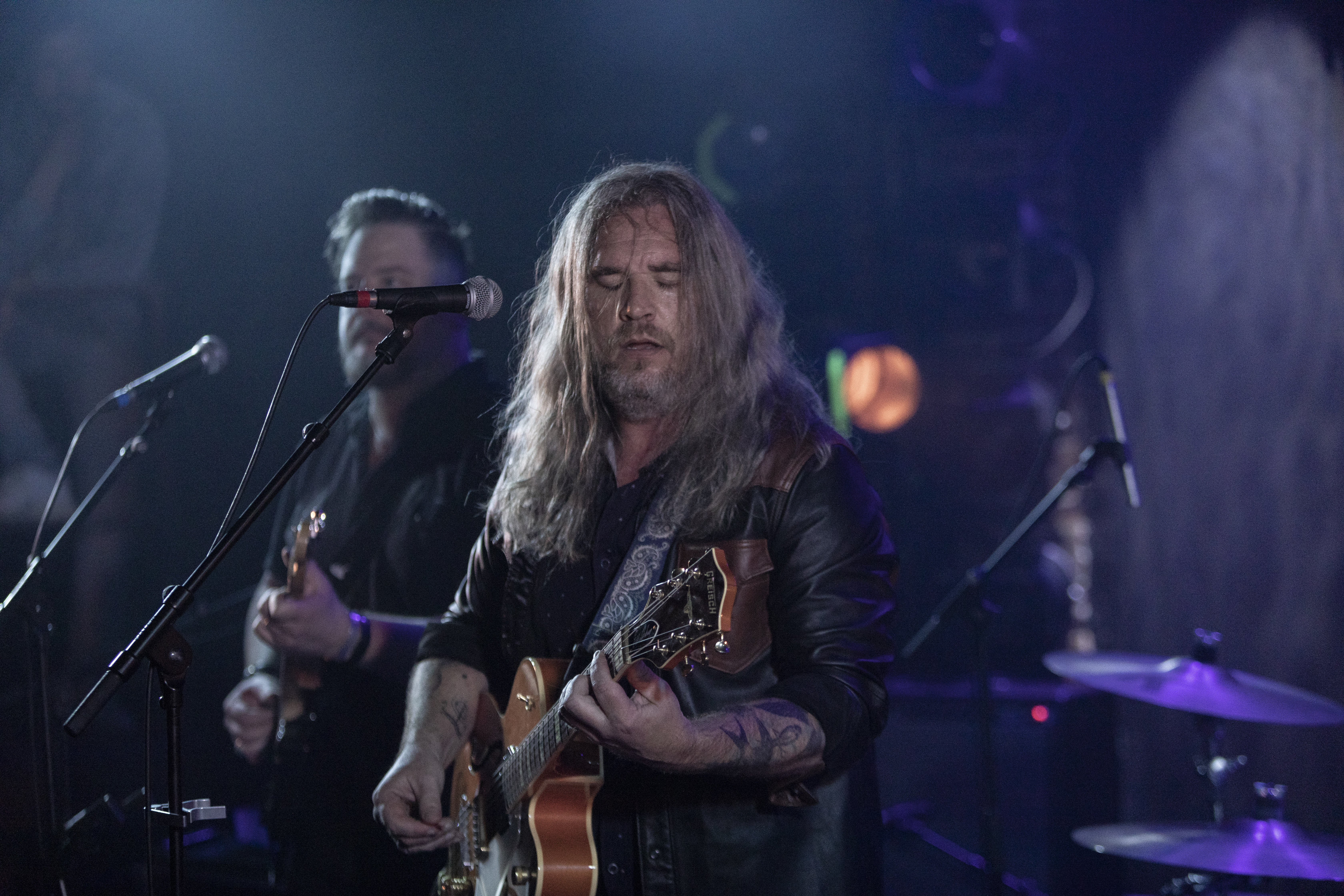
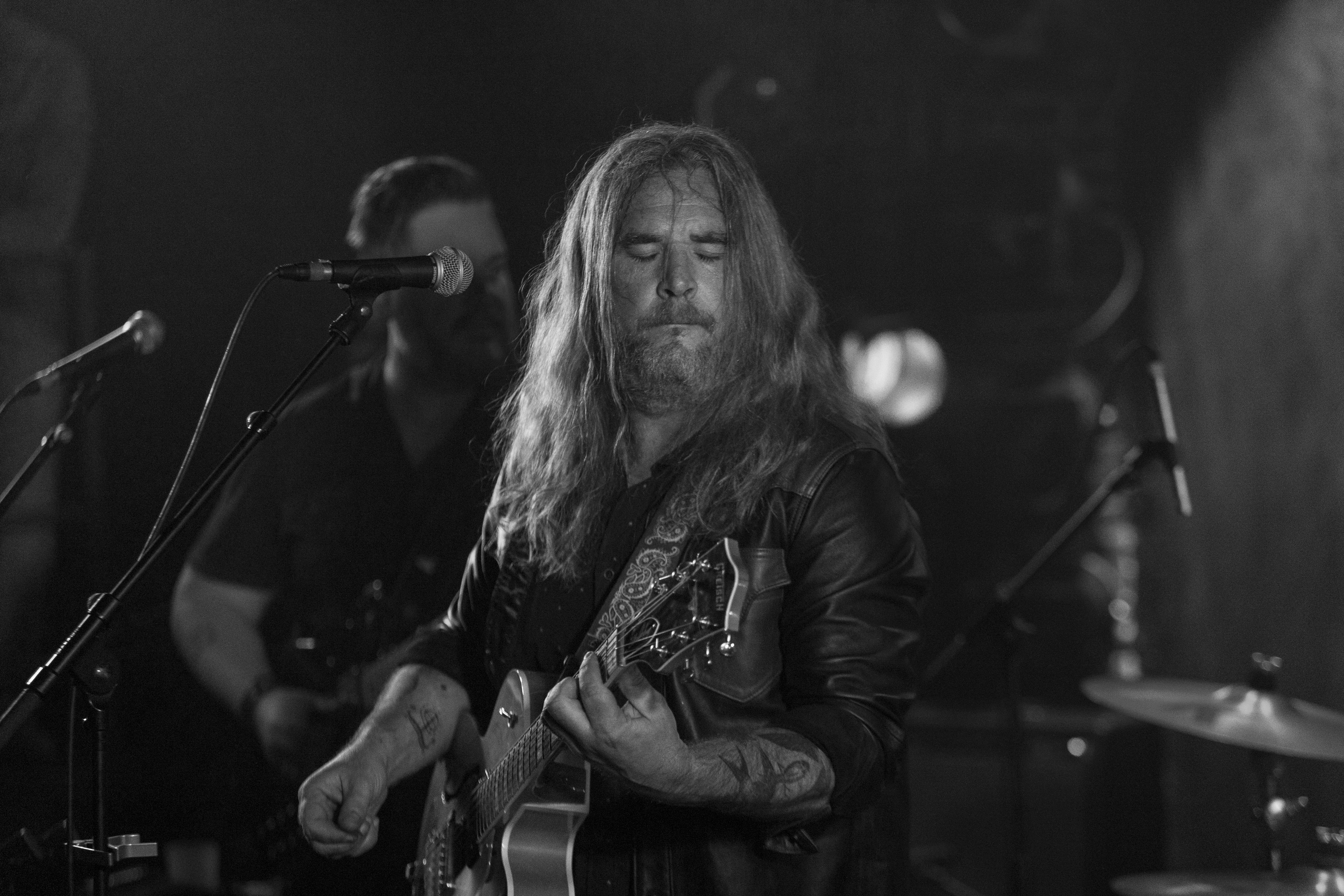
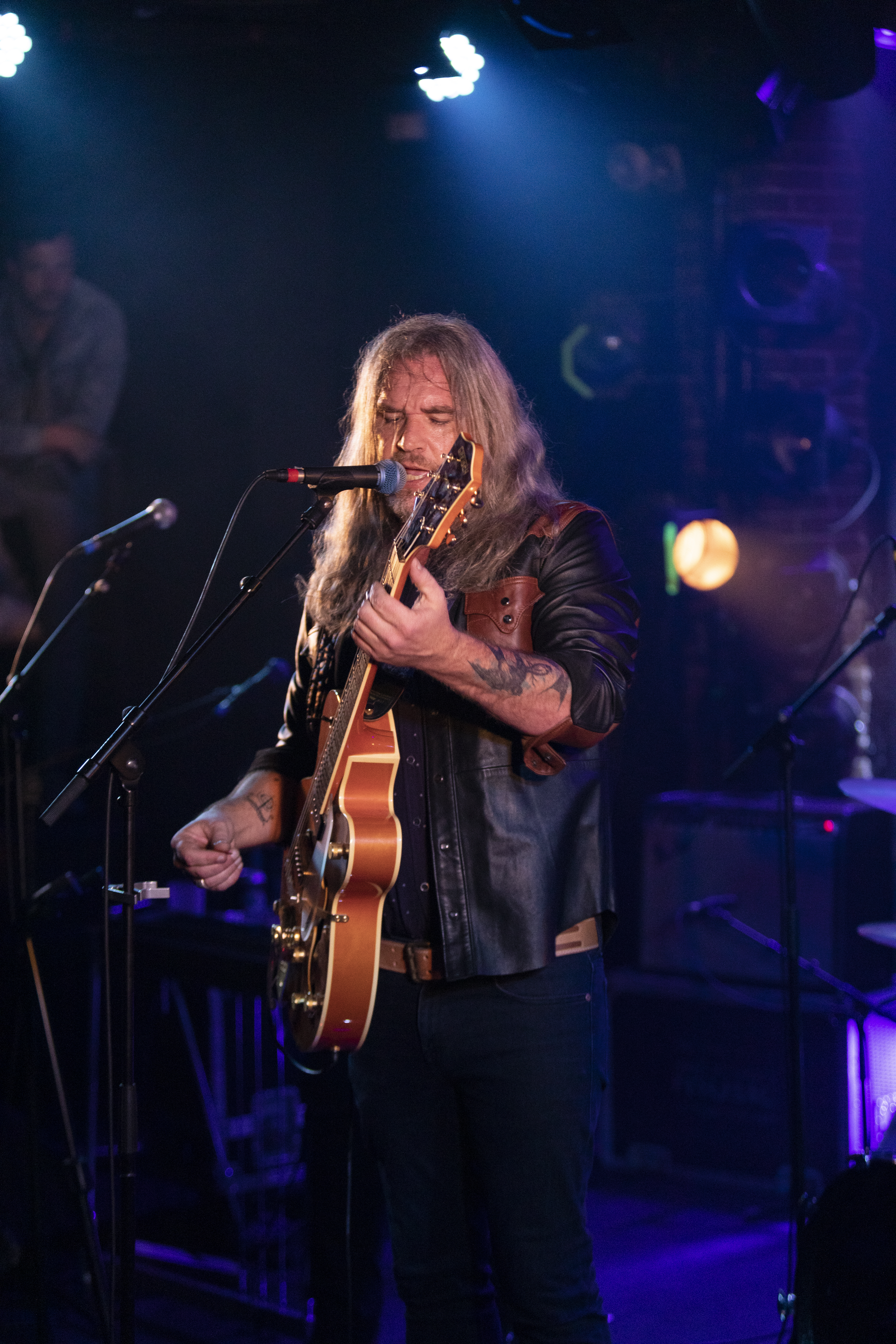
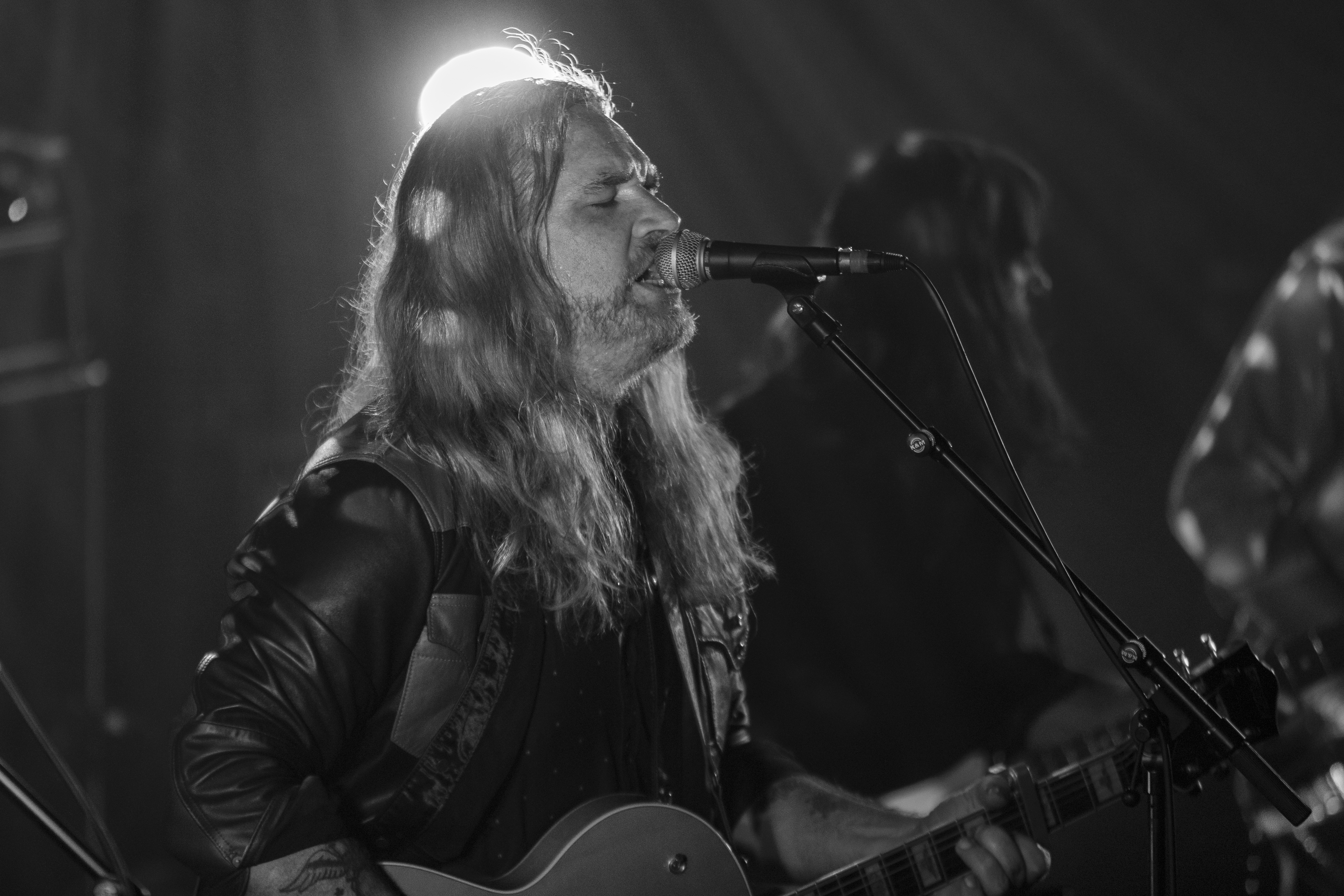
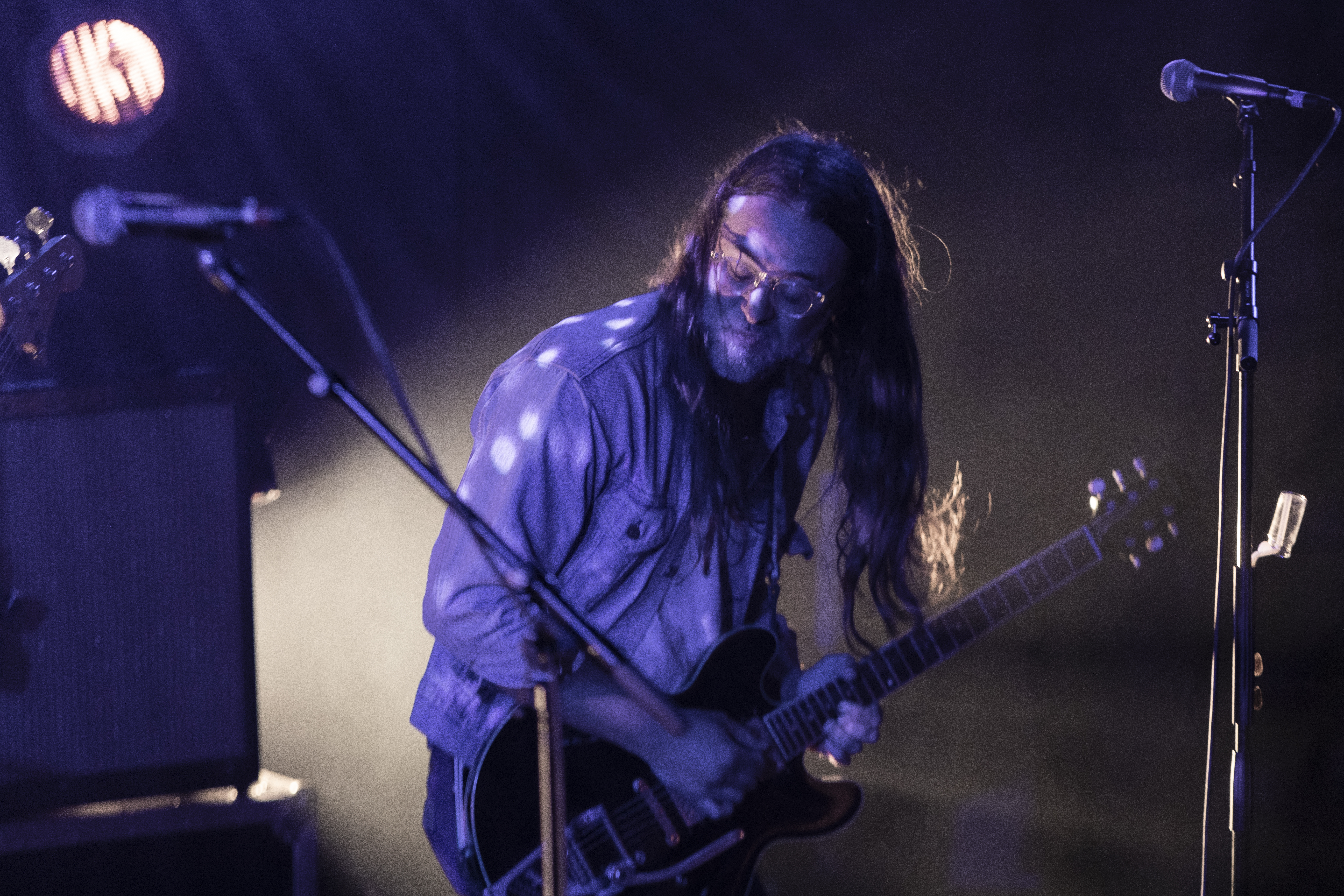
Not every great concert announces itself immediately. Some performances reveal their full impact only in retrospect, growing larger in memory with each passing day. Israel Nash's appearance at La Maroquinerie belonged firmly in that category. By the time the final notes had faded, it was clear that the audience had witnessed something special.
Nash's music draws from many of the richest veins in American popular music. Folk, country, rock, blues and psychedelia all flow through his songs, which evoke artists such as Neil Young & Crazy Horse, The Jayhawks and the more expansive moments of Wilco without ever sounding derivative. Rather than treating those influences as a collection of reference points, Nash and his band fuse them into a sound that feels organic, expansive and unmistakably their own.
The set naturally featured material from the then-recent Topaz, but it also served as a broad survey of Nash's catalogue, with songs from Rain Plans, Israel Nash's Silver Season and other earlier releases receiving a warm welcome. The remarkable thing is how effortlessly the newer material stood alongside the older favourites. Nash has quietly assembled a catalogue of uncommon consistency, filled with songs that feel destined for a long life.
Much of the evening's power came from the musicians surrounding him. Guitarist Curtis Roush and lap steel player Eric Swanson painted vast sonic landscapes, their playing alternately delicate and explosive, while bassist Jackie O'Brien and drummer Ed Jarusinsky supplied a rhythmic foundation that was both solid and supple. Above it all floated Nash's distinctive voice, soulful and expressive, blending seamlessly with the band's harmonies to create an almost hypnotic effect.
The performance thrived on contrast. Gentle passages gave way to towering crescendos. Intimate folk songs gradually expanded into swirling psychedelic workouts. Light and shade, restraint and release, all were balanced with remarkable precision. Few bands are capable of generating that kind of dynamic range without losing sight of the song itself. This is what it means to "bring the house down."



















You may also enjoy the following sponsored items:


Scan the QR code above to subscribe to Apple TV