Retirement has never suited A-ha.
Over the years, the Norwegian trio has announced its farewell more than once, only to reappear a few years later with a new record, a new tour or a fresh reason to revisit one of the most remarkable catalogues in pop music. Perhaps the pull of performing remains too strong. Perhaps the songs simply refuse to stay dormant. Whatever the reason, their latest return brings them to Paris for a celebration of Hunting High and Low, the album that introduced them to the world nearly four decades ago.
The evening is divided into two distinct parts. The first functions as a career overview, drawing from various eras of the band's history while making room for a glimpse of the future. Familiar favourites such as "The Living Daylights," "Crying in the Rain" and selections from Scoundrel Days sit comfortably alongside two songs from the then-forthcoming True North. Rather than feeling like an obligation, the newer material integrates naturally into the set, a reminder that A-ha remains a working band rather than a purely nostalgic enterprise.
The second half belongs entirely to Hunting High and Low.
Rather than performing the album exactly as originally sequenced, the band makes the smart decision to rearrange the running order, preserving the biggest songs for the final stretch. The result is a steadily escalating second act that gathers momentum with each passing number before culminating in the inevitable triumph of "Take On Me."
It is easy to forget how strong that debut record actually is. The immense success of its biggest singles occasionally obscures the quality of the surrounding material. Heard in concert, songs such as "Train of Thought," "The Sun Always Shines on T.V." and the title track reveal an album of remarkable consistency, one that helped define the sound of mid-eighties pop while remaining distinct from almost everything around it.
Time, meanwhile, has been unusually kind to the musicians themselves.
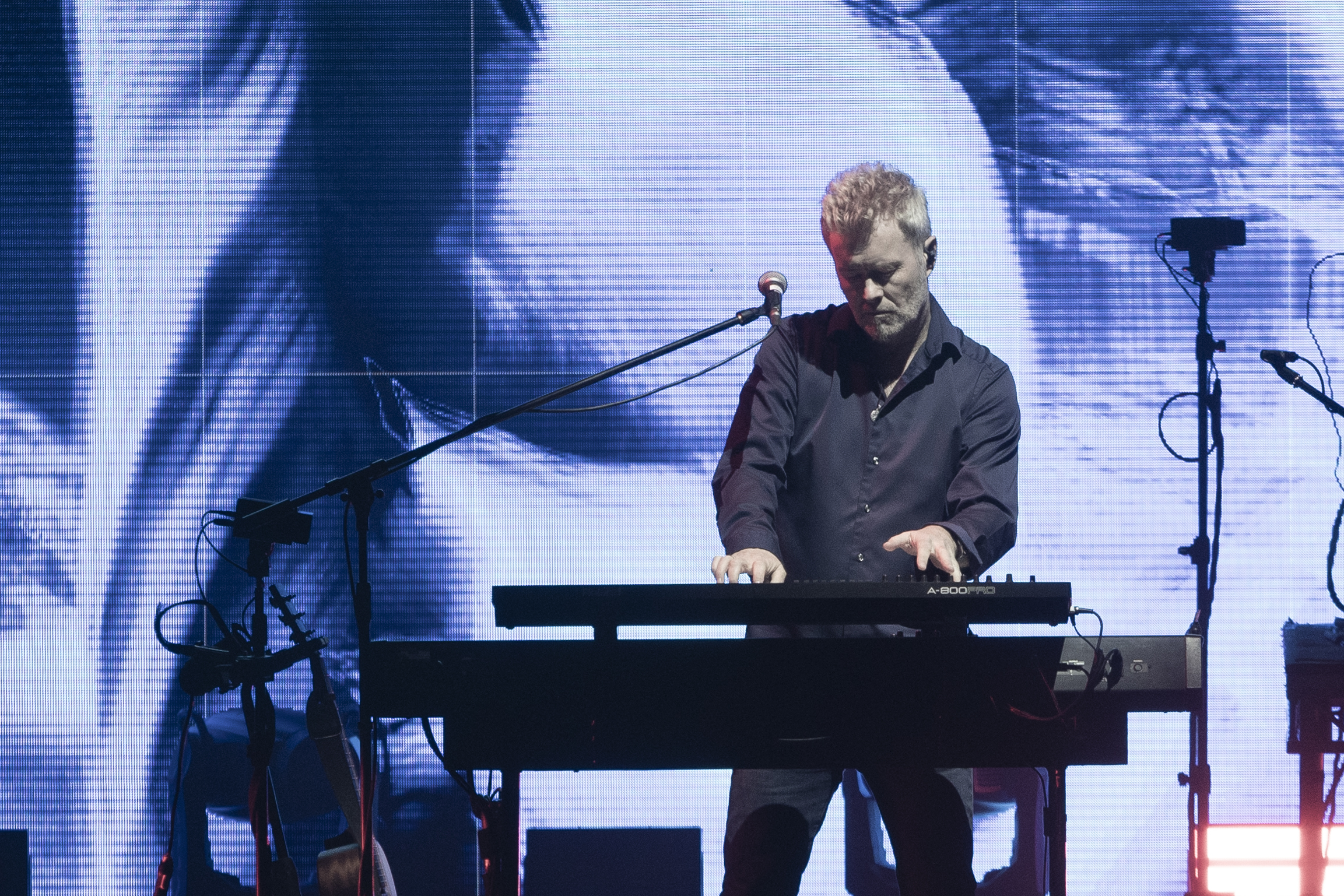
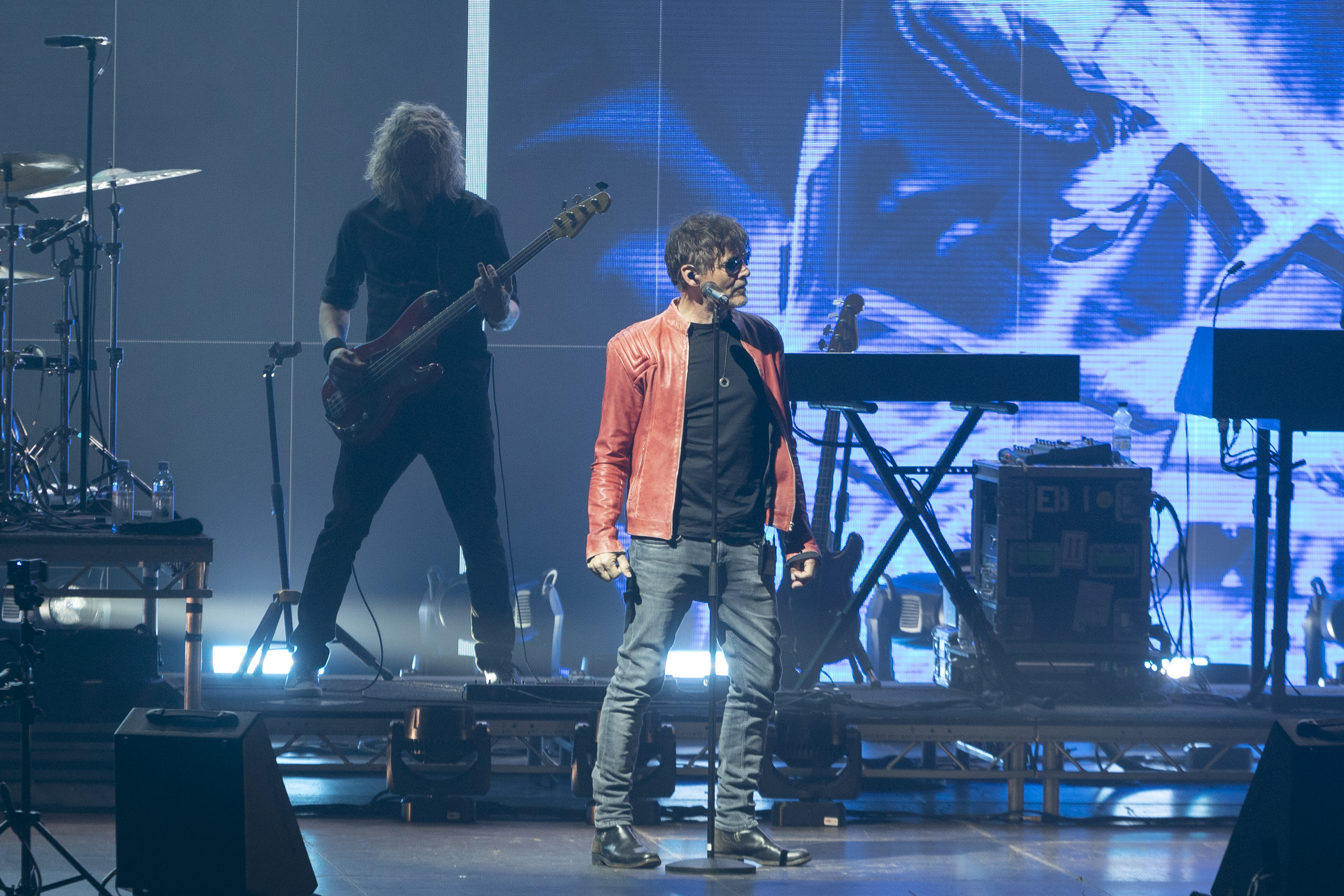
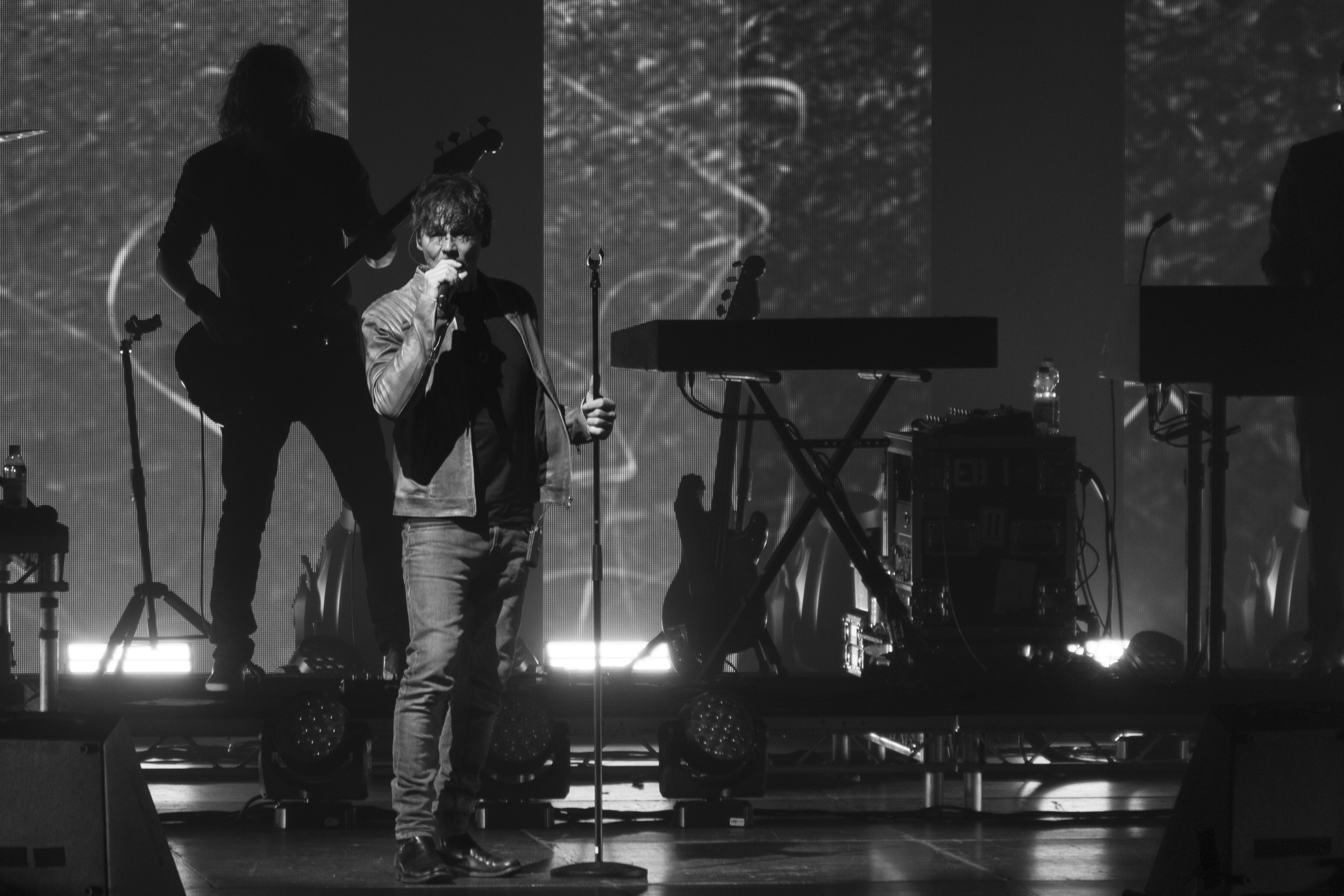
Morten Harket's voice remains a phenomenon. The range, control and emotional nuance that made him one of pop's most distinctive singers are still largely intact, allowing him to navigate demanding material with impressive ease. Alongside him, Magne Furuholmen's keyboards continue to provide many of the textures and melodies that became synonymous with A-ha's sound. Much of what was once dismissed as lightweight synth-pop has undergone a considerable critical reappraisal in recent years. Listening to these songs today, it is difficult to understand why they were ever unfashionable.
The audience offers further evidence of that reassessment. While many attendees clearly grew up with this music, some of the evening's loudest reactions come from younger fans who discovered these songs decades after their original release. Great pop music has a habit of finding new listeners, regardless of changing fashions.
Complaining about a setlist that includes an entire classic album and a generous selection of hits would be churlish. Still, every longtime fan inevitably has one omission they wish had made the cut. In this case, "Manhattan Skyline" remains conspicuously absent.
A minor grievance, all things considered.
For more than two hours, A-ha demonstrates why these songs have endured long after the fashions, hairstyles and synthesizer presets of the eighties faded away. The farewell tours may come and go, but the music remains remarkably alive.